
thermal properties of hdi pcb fabrication
The thermal properties of high-density interconnect (HDI) printed circuit board (PCB) fabrication are critical factors that influence the performance, reliability, and longevity of electronic devices. These properties encompass a range of characteristics related to heat conduction, dissipation, expansion, and resistance, all of which are important considerations in the design and manufacturing of HDI PCBs.
One key thermal property of hdi pcb fabrication is thermal conductivity, which refers to the ability of a material to conduct heat. Materials with higher thermal conductivity can dissipate heat more efficiently, helping to prevent localized heating and thermal hotspots on the PCB. Substrate materials commonly used in HDI PCB fabrication, such as FR-4, polyimide, and metal core laminates, exhibit varying degrees of thermal conductivity, allowing designers to select materials that best suit the thermal requirements of their application.
Another important thermal property is the coefficient of thermal expansion (CTE), which describes how the size of a material changes with temperature. HDI PCBs experience temperature fluctuations during operation, and materials with low CTE values expand and contract less, reducing the risk of mechanical stress and damage to components and solder joints. Controlling CTE mismatch between different layers of the PCB stackup is essential for preventing delamination and ensuring the reliability of the board.
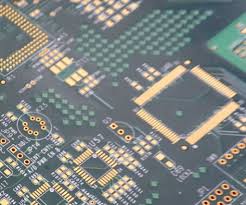
What are the thermal properties of hdi pcb fabrication?
Additionally, thermal dissipation and management are critical aspects of HDI PCB fabrication, particularly in high-power applications where components generate significant amounts of heat. Advanced thermal management techniques, such as thermal vias, heat sinks, and thermal pads, help dissipate heat away from heat-generating components and distribute it evenly across the PCB. By optimizing the layout and placement of components and thermal vias, designers can improve heat dissipation and prevent thermal hotspots that can degrade performance and reliability.
Furthermore, thermal stability is an important consideration in HDI PCB fabrication, especially in applications where the PCB is exposed to extreme temperatures or temperature cycling. Materials with high glass transition temperature (Tg) and excellent thermal stability are preferred for these applications, as they can withstand elevated temperatures without losing their mechanical or electrical properties. Advanced materials such as high-Tg laminates, ceramic-filled substrates, and metal core laminates offer superior thermal stability and are commonly used in HDI PCB fabrication for demanding applications.
Moreover, thermal impedance is a key parameter that describes the resistance of a material to the flow of heat. Lower thermal impedance values indicate better heat transfer capabilities, allowing heat to dissipate more efficiently from the PCB. By selecting materials with low thermal impedance and optimizing the layout and design of the PCB, designers can improve thermal performance and ensure the reliable operation of electronic devices in various thermal environments.
In conclusion, the thermal properties of HDI PCB fabrication encompass a range of characteristics related to heat conduction, dissipation, expansion, and resistance. By carefully selecting materials, optimizing design and layout, and implementing advanced thermal management techniques, manufacturers can create HDI PCBs that meet the stringent thermal requirements of modern electronic devices. These PCBs exhibit excellent thermal performance, reliability, and longevity, making them suitable for a wide range of applications, from consumer electronics to automotive and aerospace systems.
