
Conformal Coating in Flex Circuit Manufacturer
Conformal coating is a crucial part of the process that produces quality PCBs and is used in most electronics. It protects circuit boards and their components from operating environments, reducing the risk of failure rates and lengthening working life. It also shields against environmental deterioration by moisture, corrosion, and chemical contamination. The type of conformal coating used is determined by the operational requirements of the circuit board. There are five common coating materials offered in the market: Acrylic, Silicone, Polyurethane, Parylene-based, and Epoxy. Each has a different resin base and has unique properties.
Acrylic-based conformal coatings are inexpensive and easy to apply, making them ideal for hobbyists and hobby electronic products. They provide good protection against moisture and are easy to remove with non-aggressive solvents like isopropanol if the flex circuit manufacturer need to be modified or repaired. Parylene-based conformal coatings are more expensive and require specialized equipment to apply, but they offer superior moisture resistance for specialist applications. They are able to resist high-temperatures and have low thermal expansion. They are also UV resistant.
Epoxy is highly durable and offers good resistance against moisture, abrasion, and chemicals, but it is also a hard substance to work with. It is usually applied as a two-component thermosetting mixture or as a single-part compound that can be cured by heat or UV exposure. The disadvantage of epoxy is that it can be difficult to remove from the surface of a circuit board, especially when it is thick.
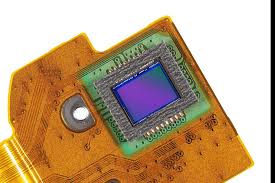
The Role of Conformal Coating in Flex Circuit Manufacturer
There are other coatings that are easier to remove, including silicone and urethane. These can be dissolved with a non-aggressive solvent like isopropanol and have lower toxicity. There are also conformal coating remover pens available that can be used to disperse smaller areas of conformal coating for more precise cleaning.
Before applying a conformal coating, the circuit board must be properly cleaned. Contaminants can interfere with the adhesive strength of the coating, resulting in adhesion defects. The surface must be free from dust, dirt, grease, or oil to ensure a good bond between the substrate and the conformal coating. Masking or taping is often necessary to prevent coating unintended surfaces on the PCB.
The thickness of the conformal coating is another factor that must be taken into account. A thin coating can be vulnerable to cracking and separating from the substrate, while a thicker one can increase the risk of overheating and creating mechanical stress points. The manufacturer should be able to recommend the correct thickness for a particular application.
Other factors that need to be considered when selecting a conformal coating include industry certifications and cost. The EPA’s regulations must be followed for coatings that are intended for commercial mass production, and local or regional regulations may also apply. The choice of the right coating for a specific application can be made using software such as Altium Designer that allows for the specification of conformal coating material in each layer of the PCB. This allows the user to easily identify any potential issues and address them during the design phase.
