
PCBAs Handle Thermal Expansion
When building PCBAs, engineers should consider the effects of thermal expansion in order to build reliable electronics. A good way to do this is by performing in-process testing throughout the manufacturing process. This type of testing can help identify potential issues with a circuit board before they become major problems down the line.
In-process testing is a type of quality control that takes place during the assembly process to ensure that all components and pieces are functioning properly. It can take many forms, including visual inspection, electrical testing, and functional testing. It’s important to perform in-process testing on a regular basis, as it can help prevent the production of defective products.
The manufacturing process of a pcba circuit board requires precise and detailed work to produce a high-quality product. This is why it’s important to choose a reputable manufacturer that can handle your project’s specific needs and requirements. They should be upfront about their costs, technology, and design capabilities. They should also provide you with a detailed bill of materials (BOM).
One of the most important aspects of a pcba circuit is its ability to dissipate heat. The best way to do this is by using a thicker board with a large surface area, which will allow for greater heat transfer. Additionally, you should avoid placing components with high power consumption close together, as this can lead to overheating and shorting.
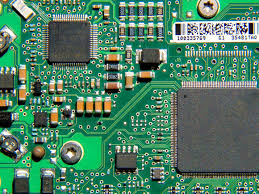
How PCBAs Handle Thermal Expansion
Another factor in thermal management is the substrate’s moisture absorption capabilities. Moisture in a pcba can cause corrosion and other issues that could negatively impact its performance. Therefore, a good substrate material should have dependable moisture-absorption capabilities and a decomposition temperature of 130 °C or higher.
During the assembly process, the circuit boards are soldered to each other with flux. This will form a conductive layer on the pin of a DIP component and a plated pad on the SMD component layout, which will create a path for current flow to complete a circuit. Once the circuit boards are assembled, they must undergo a rigorous quality control and inspection process before they can be shipped to customers.
PCBAs are a critical component of modern electronic devices, such as computers, mobile phones, and tablets. They contain numerous components, such as resistors, diodes, integrated circuits, and capacitors. PCBAs are designed to make these components function seamlessly with each other. This is done through either surface-mount or through-hole technologies. Each assembly method has its advantages and disadvantages, but both have a vital role in the production of electronic devices.
The PCBA assembly process is highly complex and involves several different processes. Choosing the right PCBA assembly process for your product can greatly influence its function, reliability, and cost. In addition, the assembly process can have a significant impact on the environment. The use of chemicals and solvents during the assembly process can have negative environmental effects, such as waste water and air pollution. Therefore, it is important to minimize the environmental impact of the assembly process as much as possible.
