
Manual PCB Manufacturing Assembly
PCBs are at the core of every modern electronic device. They are essential to the proper functioning of computers, mobile phones, and even cars. As such, it is vital that the assembly process for these circuit boards is done properly. It is important that the manufacturing and assembly process follow strict industry standards to ensure that the devices work as they are supposed to and meet all quality requirements. Generally, automated processes are more efficient and reduce the amount of errors. However, manual PCB assembly can still be beneficial in certain circumstances.
The pcb manufacturing assembly process depends on the design of your circuit board and how complex it is. In most cases, PCB manufacturers rely on automated equipment to make the process as efficient and reliable as possible. This approach is especially useful for larger production runs that need to be produced quickly. Typically, the use of automation also reduces costs by eliminating the need for skilled labor to operate machinery and oversee the production line.
Automated pcb manufacturing assembly is a highly streamlined, high-efficiency process that uses advanced machine tools to produce components and circuit boards. These machines can perform tasks faster and more consistently than humans, resulting in increased output and reduced errors. In addition, automated systems can handle larger orders with more precision and consistency than human operators. They also have the ability to adjust production processes on the fly, which is critical for businesses with changing demands and timelines.
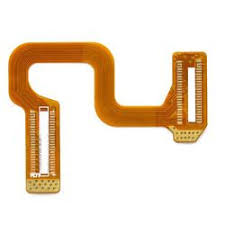
Automated Vs Manual PCB Manufacturing Assembly
Using high-speed pick-and-place machines, automated PCB assembly can place thousands of components in an hour. These machines use a vision system to place components on top of solder paste applied to the pads of the circuit board. This method speeds up the assembly process and improves product reliability by ensuring accurate placement of each component. Additionally, it eliminates the possibility of human error due to fatigue or eyestrain from working with small parts.
Manual PCB assembly is usually used for low volume production runs and projects with unique components, such as custom parts and PCB sub-assemblies. It can also be a good choice for complex PCBs that require special attention to detail. These types of PCBs may include thru-hole components, stand-offs, press-fit connectors, or any other custom parts or bare circuit boards. In some instances, it may be faster and more cost effective to manually assemble these types of PCBs than to set up an automated assembly line.
Manual PCB assembly also allows technicians to inspect and touch up areas of the circuit board that have been damaged by an automated assembly process. These issues may be a result of heat sensitivity or the shape and size of a specific component. In addition, specialized inspections such as AOI and X-ray may be required for some components that have been unable to be fully inspected by automated systems. These problems are often identified and fed back into engineering for design-for-manufacture (DFM) optimization on future runs. However, they can still affect the performance of the final product until they are corrected.
