
types of flex circuit boards available
Printed circuit boards (PCBs) are used in all types of electronics devices, from smartphones to medical and fitness wearables. One of the most versatile PCBs is a flex circuit board, which is made of a thin substrate with high levels of bendability and tensile strength. Unlike rigid PCBs, flex circuit boards can be molded into complex three-dimensional shapes to accommodate many different mechanical applications. Besides enabling the manufacture of compact, lightweight products, flex circuit boards can also replace traditional wiring harnesses in complex mechanical designs.
There are several different types of flex circuit boards, including single-sided, double-sided, and multilayer. Single-sided flex PCBs have one conductive layer on each side of the dielectric insulating substrate film. This enables the creation of specific trace patterns on both sides of the flex substrate, which can be connected through copper-plated through holes (vias). They are the most common type of flex PCB.
A double-sided flex circuit has two conductive layers, one on each side of the substrate film, and is characterized by its ability to handle higher currents than single-sided flex circuits. The conductive layers are connected to each other through vias, which provide electrical connection between the traces. This makes them ideal for dynamic, constantly bending applications that require high levels of conductivity.
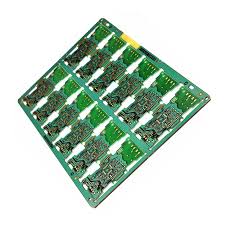
What are the types of flex circuit boards available?
Multilayer flex circuits have more than two copper conductors on both sides of the flex substrate. Like double-sided flex circuits, they can be fabricated with either Electro Deposited (ED) or Rolled Annealed (RA) copper. They are designed to meet the demands of both static and dynamic flexing applications by providing maximum reliability through reduced conductor crosstalk, unpreventable crossovers, and high component density.
In addition to their durability and flexibility, flex circuit boards are also known for their high reliability in challenging environments. This is largely due to the fact that they feature fewer interconnection points compared to their rigid counterparts, making them less susceptible to failure. The resulting lower ductility and mass of the flex circuit board also improves their ability to resist vibrations and shocks.
Flexible PCBs are widely used in consumer electronics to connect components efficiently and effectively. They can be found in smartwatches and fitness trackers to provide functionality and comfort, as well as in automotive components to support the integration of advanced driver assistance systems (ADAS) and safety features. They are also employed in a variety of industrial applications to ensure efficient and compact connectivity in robotic arms and machinery with moving parts.
Flex circuit boards consist of thin, flexible materials that can house electronic components, enabling them to be integrated into applications where traditional rigid PCBs may not be suitable due to space or flexibility constraints. The circuitry is printed or etched onto these flexible substrates, and the resulting boards are often used in situations where the ability to bend, fold, or conform to a specific shape is essential.
