
flexible PCB supplier offer flexible lead times
PCBs are an integral part of modern electronic devices. They connect components to form a functional circuit and transmit power, data, and signals from one device to another. While most products utilize rigid PCBs, there are a few that require flexible PCBs, also known as flex circuit boards. Unlike their rigid counterparts, flex circuits can bend and flex, which makes them a valuable component for innovative products that have tight space requirements or complex designs.
When choosing a fast-turn flexible pcb supplier, you need to know what to look for. There are many factors that can impact lead times, including the type of materials used and manufacturing processes. Ensure that the manufacturer you choose has the capacity to meet your production needs and can deliver quality results. Before making a decision, review the company’s manufacturing capabilities and the number of projects they have in process. This will help you determine if they can accommodate your project’s timeline and budget.
The most important factor to consider when selecting a flexible PCB supplier is their capability to deliver your product on time and within budget. It is also critical to understand how they work with customers to understand their design and assembly processes. This can help you avoid costly mistakes and reduce costs. It is also crucial to understand their production capabilities and their capacity to handle rush orders. This will ensure that they are able to provide high-quality products in the required time frame.
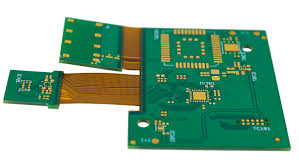
Can a flexible PCB supplier offer flexible lead times?
A flexible PCB consists of multiple layers of conductors that are embedded in a thin polyimide or polyester film. These layers are held together with copper or other metals, which serve as the electrical conductors of the circuit board. The layers can be arranged in different ways depending on the application and the desired performance of the circuit board. Typically, the conductors are made of rolled or etched copper. These are the most common conductor materials, although other types are also available. These include electrodeposited (ED) copper, clad copper, and rolled annealed copper.
Another factor to consider is the type of material that the fabricator uses for the flexible substrate. The choice of material is critical because it determines how flexible the circuit will be and the maximum current rating it can withstand. The selection of a suitable flex substrate material is determined by its dielectric constant, coefficient of thermal expansion, glass transition temperature, fire retarding, and moisture absorption.
The choice of material can also affect the cost and manufacturability of the flex circuit board. For example, inadvertently specifying a non-standard material can result in delivery delays. This is because most flex and rigid-flex fabricators have limited in-house stock of non-standard laminates.
Most flex circuits use PSA (pressure sensitive adhesive) to mount the board to the assembly or attach it to a heat sink for thermal dissipation. PSAs are generally supplied on wide-format rolls and must be cut to size before use. This can cause problems if the flexible PCB design calls for a specific type of PSA that does not match the fabricator’s inventory.
